Evergreen Note Design Principles for Lifelong Learning

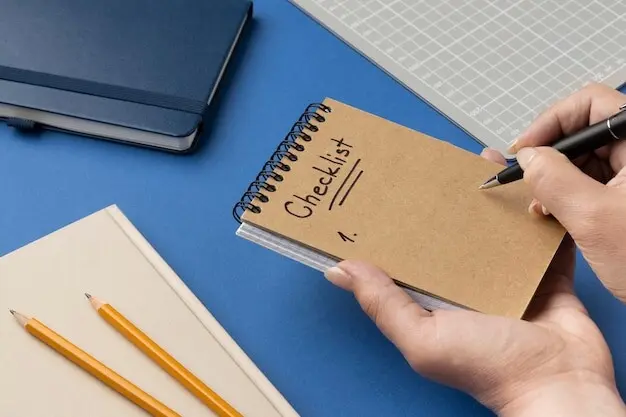
Step into a practice where ideas stay fresh, reusable, and increasingly valuable over time. We explore Evergreen Note Design Principles for Lifelong Learning, showing how atomic insights, durable links, and gentle, continuous refactoring turn scattered thoughts into a resilient knowledge garden. Expect practical patterns, memorable stories, and uplifting nudges to write for your future self, connect concepts boldly, and grow a network that keeps teaching you, year after year. Subscribe, respond, and share your experiments as we learn together.

Foundations That Keep Knowledge Alive

Build notes around concepts that can stand alone, evolve gracefully, and invite connection. Favor concise statements that capture ideas at their essence, then enrich them over time with evidence, counterpoints, and links. By separating claims from sources, you transform literature highlights into reusable thinking tools that compound across projects. The result is a durable library that reduces re-reading, accelerates synthesis, and supports confident decision-making. Add a comment with your favorite core practice and why it works.

Linking Patterns That Spark Insight

Treat links as hypotheses about how ideas inform, contrast, or depend on each other. Use backlinks to surface forgotten connections, and create hubs that summarize what unites a cluster. Prefer contextual links in sentences over tag dumps, and document why a link exists. This habit turns navigation into spaced retrieval and conversation with your notes. Share in the comments which linking habit most changed your thinking and why it stuck.

Backlinks as memory prosthetics

Regularly review backlinks to a note to reveal how your understanding evolved. New contexts reframe old statements, surfacing gaps and extensions worth exploring. By scheduling lightweight backlink passes in daily notes, you transform serendipity into a routine, repeatable engine of discovery and revision.

Contexts, not categories

Favor explanatory sentences that link ideas in specific ways over broad, ambiguous tags. When you connect with why and how, you preserve reasoning that survives across projects. This makes clusters meaningful, helps onboard collaborators or your future self, and reduces endless reorganizing binges.

Questions as bridges

Write links as open questions when certainty is premature. Framing uncertainty explicitly invites future notes to complete the connection with evidence. Curiosity-driven links prevent dogmatism, encourage exploration, and create a breadcrumb trail that guides returning to difficult material with renewed energy.

From fleeting to evergreen

Move ideas from inboxes to durable notes by rewriting in your own words, adding minimal context, and identifying the smallest claim worth keeping. Cite sources sparingly but precisely. This deliberate passage converts noise into signal and builds a trustworthy substrate for future synthesis.

Refactor without fear

Use unique identifiers, aliases, and redirects so renaming or splitting notes never breaks links. Keep light change logs for significant edits and capture why decisions were made. With structural safety nets in place, improvement becomes playful rather than risky, encouraging steady, compounding progress.

Learning Techniques That Supercharge Retention

Pair evergreen notes with evidence-based learning strategies. Turn claims into prompts for retrieval practice, schedule spaced reviews for fragile concepts, and annotate links with rationales to encourage elaboration. Use the Feynman technique to rewrite explanations plainly, testing for gaps. When notes and cognition collaborate intentionally, retention soars and transfer becomes routine. Tell us which technique most surprised you, and we will feature creative examples from readers in future updates.

Tools, Formats, and Portability

Choose tools that respect plain text and future movement. Markdown with wikilinks, lightweight metadata, and open folders travel well across platforms. Automate capture from reading, transcripts, and meetings, but keep authoring human. Templates should suggest decisions, not trap you. Prioritize speed, searchability, and local control so your library endures tool churn. Share your stack and any portability wins or horror stories readers should avoid.

Stories, Pitfalls, and Sustainable Metrics

{{SECTION_SUBTITLE}}

How Maya turned lecture scribbles into breakthroughs

Maya began by rewriting one idea per class into a bold, testable sentence, then linked it to two contrasts and one application. Within a month, exam prep felt like guided recall. Her inbox shrank, confidence grew, and cross-course insights emerged naturally.

Avoiding the collector’s trap

Skimming articles and clipping everything feels productive but rarely changes understanding. Set quotas for daily concept notes, not highlights, and review link reasons weekly. By privileging synthesis over hoarding, your library becomes lighter, your thinking sharper, and your motivation more reliable.
Tarilentokarovexo
Privacy Overview

This website uses cookies so that we can provide you with the best user experience possible. Cookie information is stored in your browser and performs functions such as recognising you when you return to our website and helping our team to understand which sections of the website you find most interesting and useful.